
The Great Misstep — How America’s Trade War Strategy Backfired on Its Own People
Over the past few years, the United States has attempted to challenge the growing global influence of China through aggressive tariffs, bold rhetoric, and promises of revitalized American industry. But today, as prices continue to soar and foreign supply chains remain largely intact, it’s becoming clear: we were sold a strategy that never truly served the people.
The Promise That Was Never Built
When Donald Trump launched his tariff campaign, he told Americans it would bring back jobs, manufacturing, and national pride. He made it sound simple: tax foreign goods, and companies would have no choice but to come back home.
But there was a flaw in that plan from the beginning—America didn’t prepare to rebuild what it had outsourced. No factories, no supply chain infrastructure, and no workforce strategy to support mass production on U.S. soil. Meanwhile, major corporations continued producing overseas, simply passing the tariff costs on to American consumers.
So instead of strengthening the economy, the tariffs did something else: they raised prices on nearly everything—from groceries to electronics. And now, in a quiet reversal, the Trump administration has exempted critical tech products like iPhones and computers from tariffs altogether.
Who Won the Trade War?
Not the American worker. Not the consumer. And certainly not small businesses trying to survive with higher input costs.
If anyone “won,” it was the countries that adapted quickly:
- China doubled down on BRICS and built new trade routes
- They invested heavily in rare earth minerals, securing dominance in the tech economy
- Other countries diversified and stopped depending solely on the U.S.
All while American leadership was busy playing defense, reacting to problems it helped create, rather than offering real solutions.
The Reality We Can’t Ignore
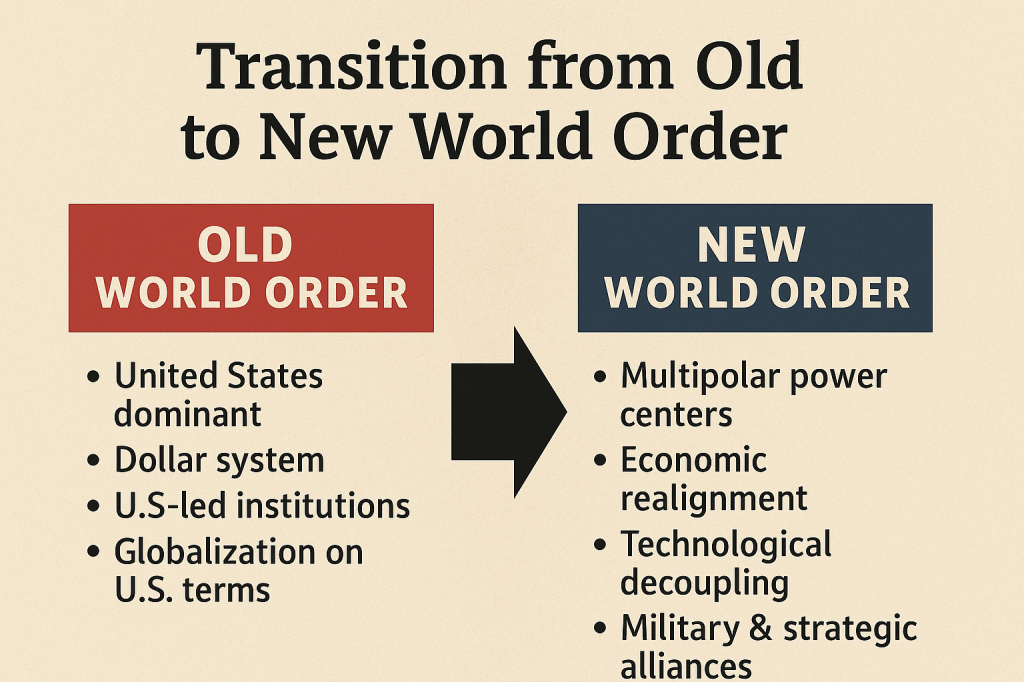
Let’s face it—America today is more of a brand than a producer. We consume more than we make, and our biggest exports are military protection and corporate culture. But even those advantages are fading as alliances shift and BRICS rises.
And yet, our government continues to sell the illusion that “things are getting better,” while the average American struggles with $5 gas, $12 eggs, and shrinking paychecks.
Where Do We Go From Here?
If we want a better future, we can’t wait for politicians to fix it for us. We need:
- Transparent leadership that tells the truth about the global economy
- Investment in domestic industry—not just talk, but real infrastructure and skilled job creation
- Support for small businesses to thrive locally and globally
- An informed public that asks hard questions and demands better answers
The system isn’t broken—it’s working exactly as designed. And until we challenge that design, the American people will keep paying the price.
Final Thought:
This is not just about left or right, red or blue. It’s about truth versus illusion—and right now, the truth is that America needs a reset. Not through more war, not through more tariffs—but through honest work, self-reliance, and a renewed focus on empowering the people, not just the profits.
 Shop SS Lifestyle
Leave a comment